

Static Bike Exercise
FollowOverview
-
Founded Date February 2, 1917
-
Sectors Construction
Company Description
Three Common Reasons Your Exercise Bikes Isn’t Working (And How To Fix It)
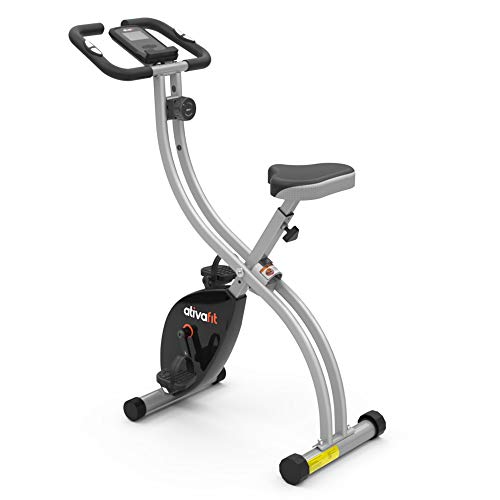
The Comprehensive Guide to Exercise Bikes: Features, Benefits, and Choosing the Right One
Intro
In the realm of fitness equipment, stationary bicycle hold a popular position due to their adaptability, effectiveness, and availability. With more individuals going with at-home workouts, comprehending the numerous kinds of stationary bicycle and their features is more vital than ever. This article will check out the benefits of stationary bicycle, the different types available, crucial features to think about, and pointers for choosing the ideal bike for individual needs.
The Rising Popularity of Exercise Bikes
As the concentrate on individual health and wellness continues to grow, stationary bicycle have actually risen in popularity. Aspects adding to this pattern include the convenience of home exercises, the growing variety of virtual classes, and the versatility of various stationary bicycle models. Whether for rehab, weight loss, or training, stationary bicycle provide an efficient workout alternative for users across fitness levels.
Types of Exercise Bikes
Before diving deeper into the features and advantages, it’s vital to comprehend the main types of exercise bikes readily available on the marketplace:
| Type of Exercise Bike | Description |
|---|---|
| Upright Bike | Simulates traditional biking; requires more core engagement and offers an extreme cardio workout. |
| Recumbent Bike | Functions a reclined seat; reduces pressure on the back and joints, suitable for users with mobility problems. |
| Spin Bike | Created for high-intensity training; has a much heavier flywheel for a more challenging trip. |
| Dual-Action Bike | Includes arm motion; targets upper body together with lower body for a full-body exercise. |
Benefits of Using Exercise Bikes
- Improved Cardiovascular Health: Regular biking raises the heart rate, boosting cardiovascular endurance.
- Weight Management: Exercise bikes enable calorie-burning workouts, contributing to weight loss or maintenance.
- Low Impact Exercise: Riding is mild on the joints, making it a perfect choice for people with lower-body injuries or arthritis.
- Benefit: With an exercise bike in the house, users can work out anytime without needing gym check outs.
- Varied Workouts: Users can participate in various biking programs and resistance levels, making workouts differed and less monotonous.
Secret Features to Consider
When assessing exercise bikes, a number of functions can substantially boost the exercise experience:
1. Resistance Levels
- Magnetic Resistance: Offers smoother and quieter rides; adjustable to increase or reduce effort.
- Fan Resistance: Utilizes air to produce resistance, enhancing the exercise as the user pedals quicker.
2. Convenience and Adjustability
- Seat Comfort: A well-cushioned seat considerably enhances the riding experience. Try to find adjustable seats to match individual preferences.
- Handlebar Height: Adjustable handlebars can assist users preserve appropriate posture, reducing the threat of injury.
3. Display Features
- Digital Monitor: Tracks necessary metrics like time, range, speed, and calories burned. Some models use heart rate monitoring.
- Connection: Many exercise bikes connect to apps or have built-in video games and classes for interactive options.
4. Size and Portability
- Footprint: Consider the available space in the house given that exercise bikes come in numerous sizes.
- Wheels for Mobility: Some models consist of wheels for easier transportation and storage.
Selecting the Right Exercise Bike
Picking the ideal stationary bicycle involves comprehending individual fitness objectives, available area, and spending plan. Follow these actions to make an informed choice:
-
Determine Your Fitness Goals:
- Are you trying to find weight-loss, endurance training, or rehabilitation?
-
Evaluate Your Available Space:
- Measure your designated exercise location to discover a model that fits comfortably.
-
Set a Budget:
- Consider just how much you want to invest. Stationary bicycle range commonly in rate, so identifying a budget plan can help narrow choices.
-
Test Before You Buy:
- If possible, test different bikes to figure out comfort and performance.
-
Read Reviews:
- Research user experiences and professional reviews to determine the benefits and drawbacks of particular designs.
Frequently Asked Questions (FAQs)
Q1: Are exercise bikes ideal for beginners?A1: Yes, exercise bikes are beginner-friendly, permitting users to adjust resistance and speed according to their fitness level. Q2: How typically must I use an exercise bike for efficient results?A2: Aim for at least 150 minutes of moderate-intensity biking each week
or 75 minutes of high-intensity workouts for optimal health benefits. Q3: Can an Cycle Exercise home bike assistance with weight loss?A3: Yes, regular biking can add to weight reduction by burning calories and improving metabolic process, particularly when combined with a healthy diet. Q4: What is the distinction between a spin bike and a traditional exercise bike?A4: Spin bikes are created for high-intensity
workouts and frequently include a much heavier flywheel, while standard exercise bikes are typically concentrated on convenience and ease of use. Q5: How do I preserve my exercise bike?A5: Regularly clean the bike, look for loose parts, and oil the moving parts to make sure durability and efficiency.
Exercise bikes are an outstanding financial investment for anybody seeking to boost their fitness from the comfort of their home. With a variety of models tailored to meet diverse fitness levels and objectives, there’s an exercise bike appropriate for everybody. By understanding the benefits, features, and choices available, users can choose the best bike to make sure an efficient and satisfying workout experience. As fitness continues to progress, stationary bicycle will unquestionably stay a staple in the journey towards better health.